
In today’s rapidly evolving business landscape, the call for diversity and inclusivity isn’t just a moral imperative; it’s a strategic necessity. Among the crucial facets of diversity, the representation of women in leadership positions stands out as an area that demands urgent attention. While progress has been made over the years, the journey towards achieving gender parity in leadership roles remains incomplete. It’s time for organizations to recognize the immense value that women bring to the table and actively work towards fostering an environment where they can thrive.
Diversity in leadership isn’t merely about ticking boxes or meeting quotas; it’s about harnessing the full spectrum of talent and perspectives to drive innovation and sustainable growth. Research consistently underscores the benefits of gender-diverse leadership teams, from enhanced decision-making to improved financial performance. By leveraging a diverse range of viewpoints, organizations are better equipped to anticipate market trends, navigate complex challenges, and capitalize on emerging opportunities.
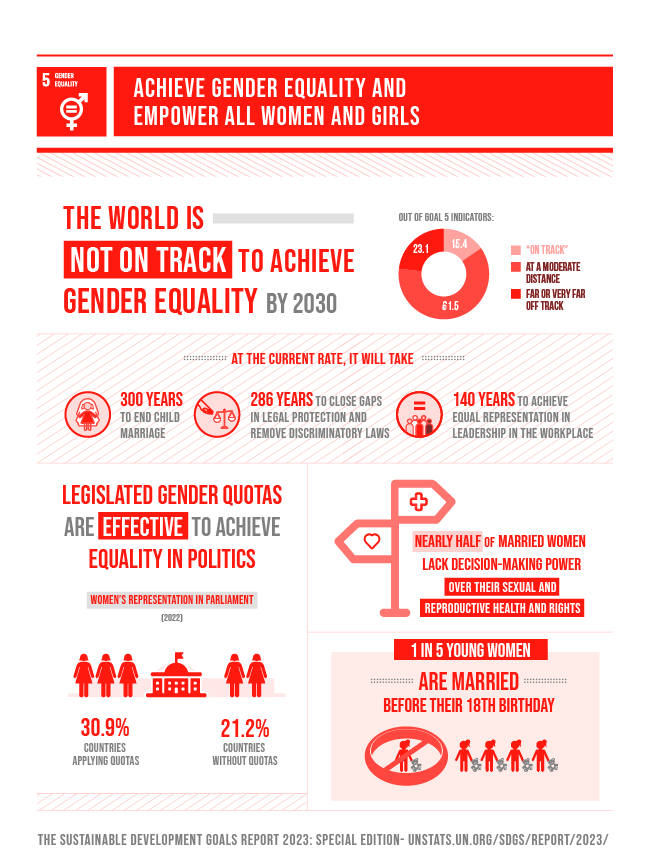
Yet, despite the compelling business case for gender diversity, women continue to be underrepresented in leadership roles across various industries. Take look at the UN SDGs, in particular, the progress we have not made as a civilisation towards the achievement SDG 5, Gender Equality. According to the UN, we are 140 years away from achieving equal representation in leadership in the workplace, note that “globally women held only 28.2% of management positions in 2021 (up just 1% since 2015), although they accounted for almost 40% of total employment.” (UN Dept of Economic and Social Affairs, 2023).
Structural barriers, unconscious biases, and entrenched stereotypes often hinder their progress, creating a persistent gender gap in the upper echelons of organizations. Addressing these barriers requires a multifaceted approach that encompasses policy changes, cultural shifts, and targeted initiatives aimed at empowering women throughout their career journeys.
One of the primary drivers of change lies in fostering inclusive workplace cultures where women feel valued, respected, and supported in their professional aspirations. This entails creating opportunities for mentorship, sponsorship, and leadership development programs tailored to the unique needs and challenges faced by women. By providing avenues for skill enhancement, networking, and career advancement, organizations can cultivate a pipeline of talented female leaders poised to take on senior roles.
Moreover, it’s crucial to challenge traditional notions of leadership that may inadvertently favor certain attributes or behaviors over others. Leadership isn’t a one-size-fits-all concept; it encompasses a diverse array of styles and approaches. Embracing this diversity not only enriches organizational culture but also fosters a more inclusive and equitable environment where individuals are valued for their unique contributions rather than conforming to narrow stereotypes.
Beyond internal initiatives, organizations can also play a pivotal role in driving systemic change by advocating for policies and practices that promote gender equality at the societal level. This includes initiatives such as pay equity, parental leave policies, and flexible work arrangements that enable women to balance their professional and personal responsibilities effectively. By championing gender-inclusive policies both within and beyond their own walls, organizations can contribute to creating a more equitable society where women have equal opportunities to thrive.
In conclusion, the imperative of having more women in leadership positions isn’t just a matter of fairness; it’s a strategic imperative that can drive organizational success in an increasingly complex and interconnected world. By fostering inclusive cultures, challenging stereotypes, and advocating for gender equality both internally and externally, organizations can unlock the full potential of their talent pool and pave the way for a more prosperous and sustainable future. It’s time to break down the barriers that hold women back and unleash their power as leaders, innovators, and change agents. The time for action is now.
 Phoenix Legal and Consulting Services